A horse wash bay should provide a safe, practical area for washing horses throughout the year. You can use it after exercise, to remove mud or to prepare a horse for an event. With the right design, it can also serve as a grooming, veterinary or farrier area.
Include:
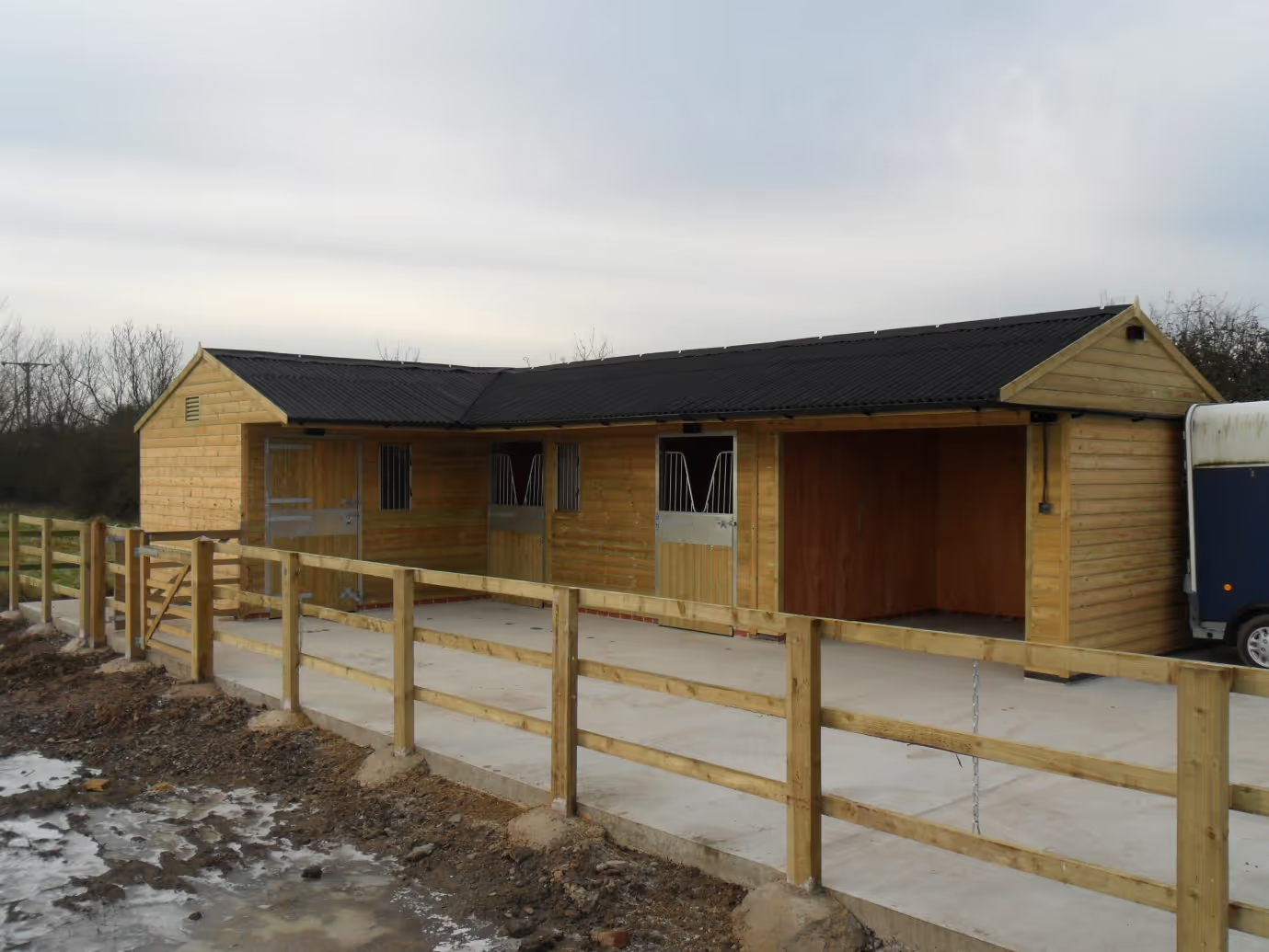
Position the wash bay where you can bring horses in and out without crossing busy vehicle routes or creating congestion around stable doors.
It should be close enough to the stable block for daily use and easy to reach from grooming, tack and treatment areas. A location near the water supply can reduce the amount of pipework required.
Our guide to planning a safe and practical stable layout explains how access routes, surfaces and working areas affect everyday yard use.
A horse wash bay should give the handler enough room to work safely around the horse.
There is no standard size because the space required depends on:
Allow more space for large horses and multipurpose wash bays. Avoid narrow areas where a handler could become trapped between the horse and a wall.
A horse wash bay needs an even, non-slip surface that remains safe when wet.
Textured concrete can provide a firm base, while rubber matting designed for wet equestrian areas can add grip and make the surface more comfortable. Make sure any mats lie securely and do not create raised edges that could cause a horse or handler to trip.
The floor should slope gently towards the drainage point without making the horse feel unsteady. Avoid smooth concrete and other surfaces that become slippery when covered with water, mud or shampoo.
The British Horse Society recommends even, non-slip stable flooring with suitable drainage.
The floor should direct water towards a suitable drain without creating slippery areas or trip hazards. Position the drain where it is easy to clear, as mud and hair can cause blockages.
The UK Government advises that dirty water from stable and yard washing must not drain uncontrolled into the ground, surface-water drains or nearby watercourses. Ask a drainage contractor and your local authority or water company for advice.
Plan the drainage before laying the floor, as adding channels and pipework later can be expensive and disruptive.
Place the tap or hose connection within easy reach, but away from the horse and main access route.
A hose reel or suitable wall-mounted holder keeps the hose off the floor when it is not in use. This reduces clutter and helps prevent horses and handlers from tripping over it.
You may also want to include:
Protect exposed pipes from frost and accidental damage. Ask a qualified plumber to advise on the water supply and any frost-protection measures.

Wash-bay walls need a smooth, durable finish that can cope with regular splashing and cleaning.
Waterproof wall lining protects the structure from repeated exposure to moisture. Avoid rough surfaces, sharp corners and exposed fittings that could injure a horse.
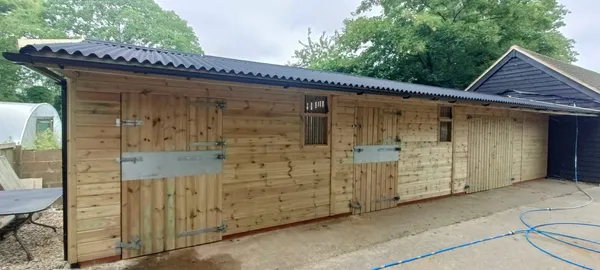
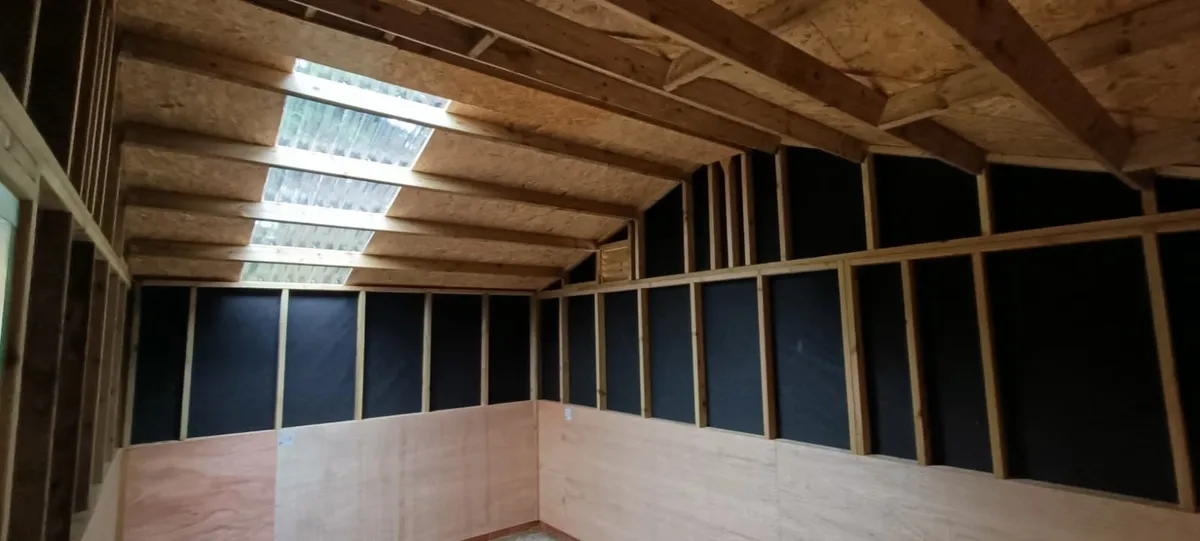
A timber wash bay may be lined ready for a suitable waterproof finish. The exact materials will depend on the building, how often you use the bay and whether you plan to install additional equipment.
Good lighting makes it easier to wash, groom and examine a horse, especially during winter mornings and evenings.
Ask a qualified electrician to install any lights, sockets, heaters or solarium equipment. All fittings must be suitable for a wet area and positioned safely away from horses and water.
Keep cables, switches and lights out of the horse’s reach. Avoid dark corners and strong glare, which may make some horses reluctant to enter.
Yes. A well-designed wash bay can also provide a covered space for grooming, veterinary checks or farrier visits.
You may also be able to add a horse solarium to help dry the horse after washing. Plan this before construction, as the equipment may affect the required space and headroom.
Keep storage to a minimum so the area remains clear and safe when a horse is inside.

A transverse archway can double as a wash bay if it is designed for that purpose. Plan this use before construction and make sure the washing equipment does not obstruct horses, vehicles or emergency access.
Our guide to the best horse stable design features explains how transverse archways, wash bays and other facilities can fit into a complete stable block.
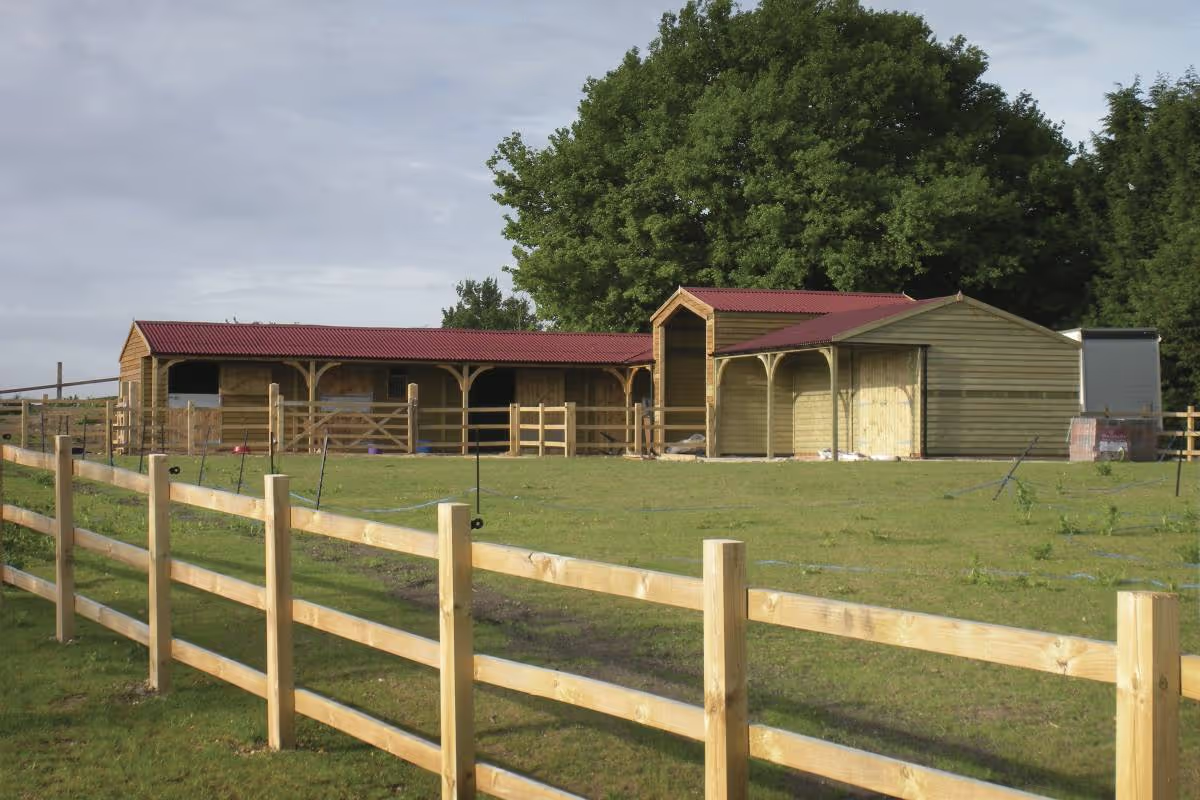
At Chart Stables, we design bespoke timber stable blocks around your horses, property and daily routine. We can include a dedicated wash bay or help you create a multipurpose area for washing, grooming and treatment.
Our team can plan the wash bay alongside your stalls, tack room, hay store and access routes so the whole yard works together.
Explore our timber stables, or contact our team to discuss your stable block and wash-bay requirements.